How to be a little greener

We all leave a footprint on the world, just by being alive we contribute to environmental degradation. No matter what you do, you can’t eliminate your effect (offset it maybe) on the world, but you can minimise it.

In this article I am going to look at some very simple things you can do to reduce the impact you have on the planet, making you a greener individual.

Water Usage

The amount of water we use has a big impact on the environment, as well as other people. Last April I posted an article which asked you to question your usage of water. I have included a brief summary of the article

Of all the water on earth, just 0.007% is drinkable, and whilst our usage of water and the number of people on earth are both rapidly growing, water supplies aren’t. Drought is a real issue in many areas of the world and one in nine people don’t have access to safe drinking water.
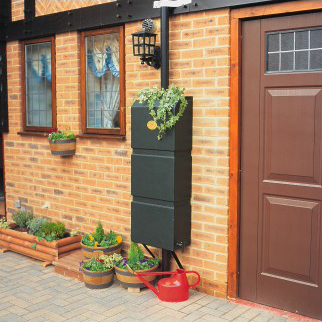
Rainwater storage tank

Wall mounted water butts are becoming more popular – a great way to collect and store rainwater.

Excessive use (and arguably wastage) of water via things like regular use of hose pipes and using water hungry appliances (like washing machines) when they have spare capacity, can easily be reduced, and can significantly decrease our water usage.

In the comments, there was some great feedback. Jonny suggested using a water butt to collect rainwater to water your garden, saying “it is really shocking to think that many people use drinking water to keep the lawn green“. Shane told us how he plays 5 minute songs when having a shower, so he know when it’s time to get out, and Jean noted how he tries to fix leaks as soon as he finds them, as they are a massive waste of water – and money!

Buy Local

Another step you can take which will reduce your carbon footprint is choosing local. In 2009, I wrote an article on the technology behind food, discussing the journey food takes, and the impact it has on the planet, getting it to our table. Although the figures might have slightly changed, the concept behind the article is still the same: buying local produce significantly reduces your carbon footprint.

Local doesn’t even have to mean that close. Ideally, within 20 miles of the shop you buy is the best sort of ‘local’, however even food that has been grown within 200 miles is much better than food that has been flown across the globe.

Local food not only promotes energy conservation, but it also supports local farmers. Farm shops are a really good place you can get local food, why not check out BigBarn, a site designed to help you find where you can get locally produced food.

Farmers shop

Farm shops are a great place to source local food.

Reuse, Repair and Recycle Technology

It is important to use technology to its full potential, and to keep using it until it is no longer viable. Once something stops working, or is no longer able to fulfil your needs, whenever possible, repair or upgrade it. If your PC is starting to run a little sluggish, try to speed it up again (maybe visit my speed up your computer article) add some more RAM, upgrade the graphics card, and consider increasing the storage capacity.

As Jonny wrote last year, electronic waste is a real problem, computer components can be hard to recycle, and are often toxic. Therefore it is important to try to reduce electronic waste, and when it does occur, ensure it is disposed or/recycled properly.

If you have reused and repaired a device as much as possible, the next step is recycling. Recycling electronic waste is a growing industry, computer recycling and schemes which enable you to recycle mobile phones, so your technology is either properly recycled, or repaired and reused, either resold locally, or distributed to developing countries are becoming ever more common. Many firms (like the one I link to above) are even paying you for your old technology – reduce your ecological footprint, and get paid, what more could you ask for!

Save Energy

There seems to be a growing resistance to nuclear power, fossil fuels are running out and this matched with the lack of investment in renewables, is leading us to a global energy crisis. Every individual can make a difference, by reducing their consumption.

Electrical energyTurning off devices instead of leaving them on standby, switching to energy bulbs, and insulate your home and relatively simple and cheap ways to save energy, which we have probably all heard many times. Steps which involve using smarter technologies, such as getting Remote Heating Control installed and choosing smarter energy using devices are also good ways to save power, and are now also becoming more common.

In Summary

Four of the best ways you can reduce your environment impact are to: be more frugal with water; try and buy local produce; maintain technology for as long as possible, and then recycle it; and reducing your energy usage.

Feel free to critique any of my points, and by all means, suggest your own ideas below.

How to build a good gaming PC for under £1000?

EDITOR NOTE: Since this article was written, many of the links to computer parts have become outdated, so they have all now been removed – note by Christopher

Computer parts and a computer case - a custom PCGaming is a great hobby to have, but to buy all the latest releases, not to mention the latest console that comes equipped with crystal-clear graphics and interactive gameplay, it could cost a small fortune. Many thrifty gamers looking to enjoy themselves without breaking the bank could do worse than build the ultimate gaming machine, especially if they have an affinity with playing on a PC.

It’s possible to get everything you need for less than £1,000. All you need to do is know what components are necessary, how powerful you want your machine to be, a few basic computer building skills and the right places to go for your bargains. My personal favourites are the technology section on netvouchercodes.co.uk, the Amazon discount emails, or their computer component recommendations and of course eBay!

Motherboard – £135

It’s the most important part of any PC – without it, nothing else would function correctly. This motherboard from Asus is ideal as it has no bottlenecks, slots for two graphic cards, processor slot and has capacity for as much as 32GB of RAM. It’s also pretty cheap considering what it enables.

Processor – £168

Also from AMD, this six-core Bulldozer processor is great for processing large amounts of data at speed. Among its other vital stats include an 8MB cache and impressive power of 8.3 GHz per core for a relatively low price, and is ideal for multitasking when playing two or more games at once. I found this particular bargain from CCL through their online voucher page.

Memory – £137

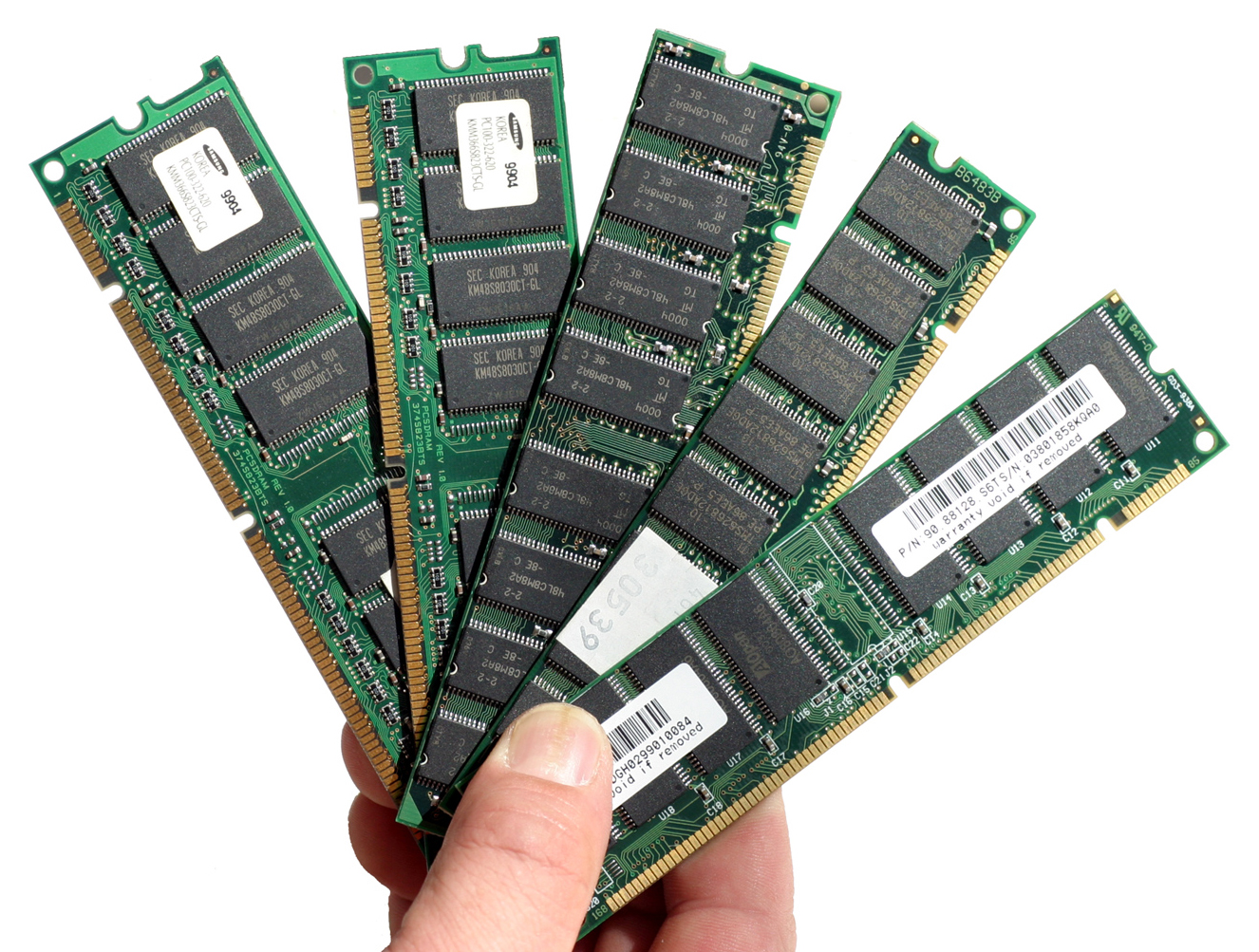
Combined, these products provide an impressive 16GB of RAM. This amount of memory is more than enough for even the most data-intensive games.

Random Access Memory

PSU – £60

Every PC needs a cooling system, and this PSU with inbuilt heatsinks is sufficient for an extremely powerful custom-built computer. It runs at 1333 MHz and has a capacity of 16GB, and controls your PC’s power output with minimum fuss.

Graphics cards – £228

The AMD Radeon graphics processor is the most expensive part of your PC, but it’s also the most important for ensuring the games you want to play look as vivid and lifelike as possible. They have 3GB of GDDR5 memory, 800 MHz clock speed for quick gameplay and has room for a second card if necessary.

Solid State Drive – £195

A hard drive of some sort is something else you’ll need, and this 250GB drive is one of the best available for gaming PCs. It has a 6GB/s transfer rate and is ideal for games which use up a huge amount of data.

All those components come to a grand total of around £930. Once you have all that, you can spend the remainder on a case to keep everything in its right place. £70 is plenty of money to spend on a case, no matter how wacky and original you want it to look. All it involves is a little shopping around.

Taxing the Smartphone

On Monday a report was released in France that contained the suggestion that a tax should be levied on Internet devices in order to raise money to promote and protect French cultural production.

A Tax Paid Phone

A Tax Paid Phone

For several years France has had a policy of taxing broadcasters and spending the money on supporting its own film and entertainment industries, but revenues are falling. The problem seems to be that many more people are accessing their entertainment via the Internet and therefore not contributing to its production cost.

The Lescure report as it is known suggests a tax of between 1 and 4% on any Internet capable devices (smartphones, eBook readers and games consoles included), but as we might imagine many of the producers of these devices are not happy about the proposal.

Money has to be raised to maintain the entertainment industries, but many of the companies that provide access to this entertainment are not based in France and do not contribute. They probably don’t want to either, and so we come across the same problem that I wrote about last week, collecting national taxes from international corporations based in another state is never easy, and borders are porous.

The proposed tax would replace one already in existence upon storage devices. Currently tax is levied on blank CD’s and memory sticks as well as computers with hard discs.

The manufacturers complain that the price of the devices would rise leading to fewer sales, although the author of the report argues that such a small percentage increase would make little difference, and would not even effect the home job market because most of these devices are assembled overseas. A 1% tax would raise something of the order of 90 million Euro a year.

The problem remains though. As our sources of entertainment move away from pay TV, publicity funded channels and national subscription systems such as the BBC, money is taken away from the producers and associations that represent and fund these industries. Some see the fact that Google and Apple amongst others are operating outside the tax system and are not contributing to the industries that they make their money from as unfair, and hope that this change in tax law will go some way to evening out the field.

The Wall Street Journal goes into a little more depth on the matter in its free online edition.

I wonder if France takes this step if others in the EU will follow. There are many different ways of making money through so called free downloads as we all know, but the money ends up in the pockets of the provider and not the producer and the industries involved are feeling the pinch. Maybe this needs to change.