Holding Back a Rising Sea

Last week I went to a presentation at MIT made by a group of engineers that are half way through building a high technology barrier to protect Venice from rising waters. The project goes under the name MOSE (Moses).

People standing in water in Venice

Tourists in a rather damp Venice

Venice is a city built on an island situated in a lagoon that has been artificially shaped by human intervention over the last 500 years. The problem of rising sea levels and storms has meant that the city is regularly flooded, and so the project is to build a barrier spanning the three large openings to the lagoon so that it can be sealed in times of high tide and storms.

The flooding has been exacerbated by works carried out in the 1980’s and 90’s to build an industrial zone that involved the drainage of marshland areas, leading to a softening of the ground that made the city actually sink.

This is a 50 billion Euro project, and one of the biggest of its type ever attempted. A look at the data about the Thames Barrier (the first of its type) shows that the problem of high tides is getting worse. It was closed four times in the 1980s, 35 times in the 1990s, and 80 times since 2000, but why?

Strangely enough the problem is related to global temperature rise as we might imagine but not so much because of the melting of the icecaps. The fact is that water expands when it is heated so warming even by a couple of degrees has the effect of increasing its volume. The International Panel on Climate Change state that 70% of the presumed rise will be due to this factor.

So back to the barrier. The entire project is quite an undertaking as this YouTube video demonstrates. Years of planning followed by years of preparation, reclamation of marsh lands and sea defense construction not to mention the construction of an off shore oil terminal so that the ships no longer have to enter the lagoon. But Criticism is also rife.
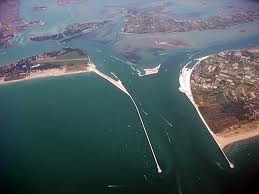
An aerial shot of part of the MOSE project

Part of the finished engineering works on the MOSE project in Venice

Some engineers criticize the project on purely technical terms, other groups point to the lack of environmental impact study and others the cost.

This video also on YouTube tells a completely different story to the one above. Critics are arguing (amongst other things) that we do not know all of the variables involved (which seems to be true) and that the entire ecosystem of the lagoon will change.

I am no engineer so I cannot argue about the choices made, but I do have one simple question. With all of the movement of water involved in this project (serious high tides and the passage of thousands of liters of sea water a minute) would it not have been possible to build something that produced electricity instead of consuming it in huge amounts?

Venice's flood defense plans

Details of how the flood defenses will work

The stakes are high as you might imagine, Venice is one of the most touristed cities in the world, but the high tides are flooding the monuments ever more regularly. We are talking about more than a meter of water, and footage on international TV of tourists walking on raised platforms through St Mark’s Square and fresco covered churches full of water does not go down well.

It is an old problem though, and one that is shared by many cities today. New Orleans is discussing a similar solution, and here in Boston the issue is also under debate.

They are all looking for a high technology solution to an age old problem that is getting steadily worse.

PingPing – a revolutionary new way to manage your money

In Belgium, a revolutionary new technology is now in use. This technology is known as PingPing, and I believe that it is going to change the way we all pay for things.

ping.pingSmartphones are becoming evermore popular by the day, and the Belgian telecom operator Belgacom, is now providing a service which is capitalising on this change. They are providing users with a way to connect their wallet to their phone.

Okay we have seen this sort of thing happen before right? Google Wallet and others have tried to bring your wallet and your phone closer. PingPing is something completely different though, as it turns your phone, into a portable bank account – quite literally!

What is PingPing?

PingPing is a system whereby you create a PingPing account, credit this with money from your bank account, and then wherever you go, you can access this at the push of a button, or swipe of your phone, and pay for almost anything.

If you are out and about, you can pay for your car parking simply by sending an SMS. You can buy your sandwich with a swipe of the PingPing electronic tag on your phone. You can pay for your online shopping by texting a code to a given number. You can even text money to friends, which is credited instantly. Owe someone a tenner? They can have the money in their PingPing account in five seconds (quite literally) and all you need do is text it to them.

How does the PingPing service work?

With PingPing, you are able to make payments from your smartphone, by texting, or even easier, simply by swiping your phone on a PingPing reader.

Say for example you want to buy a drink from a vending machine. Usually you would have to fumble around and find some coins, only to discover the machine doesn’t give change, right? Well with PingPing, all you would need to do is swipe your phone on the machines PingPing tag detector, and it will link straight to your PingPing account – which you can easily top up with a bank transfer. This means that you can buy your drink within seconds, and the money is removed directly from your account. No loose change, no hassle. Confused? Watch the video below to see my example in action.

In the past, we have had to wait to get paid, checks can take days to clear, as can bank transfers. With PingPing, you are able to transfer money in (quite literally) 5 seconds, and all you need is your phone.

This technology is not just limited to vending machines though! With PingPing you can pay for anything – which is PingPing compatible. As I mentioned earlier, your sandwich, car parking, online shopping, in-store shopping, your bus fair, even charging your electric car, quite literally anything!

Can I use it?

There are many similar services to PingPing, which are live. I have heard that in the UK, Barclays bank are trialling such systems, and in Africa, there are many similar systems which have really taken off.

PingPing is currently only available in Belgium though. The software and technology is still relatively new, but I think it will spread fast.

Your Turn

What do you think about the PingPing service, will it take off elsewhere? Will it be a revolution, or is there too much competition already? Your thoughts, comments, opinions and facts are welcome as always 🙂

The App Store exceeds 25 billion downloads!

This is a sponsored post. To find out more about sponsored content on Technology Bloggers, please visit our Privacy Policy.

California-based tech giant Apple – a company renowned for their phenomenally successful consumer hardware – have confirmed that the number of applications downloaded from its App Store recently exceeded 25 billion worldwide.

The figures that make up this total include apps sold via the store for all of Apple’s iDevices – including the iPhone, it’s various iPods and the iPad. Apple’s iDevices are used by an estimated half a billion people world wide (500 million) a colossal amount!

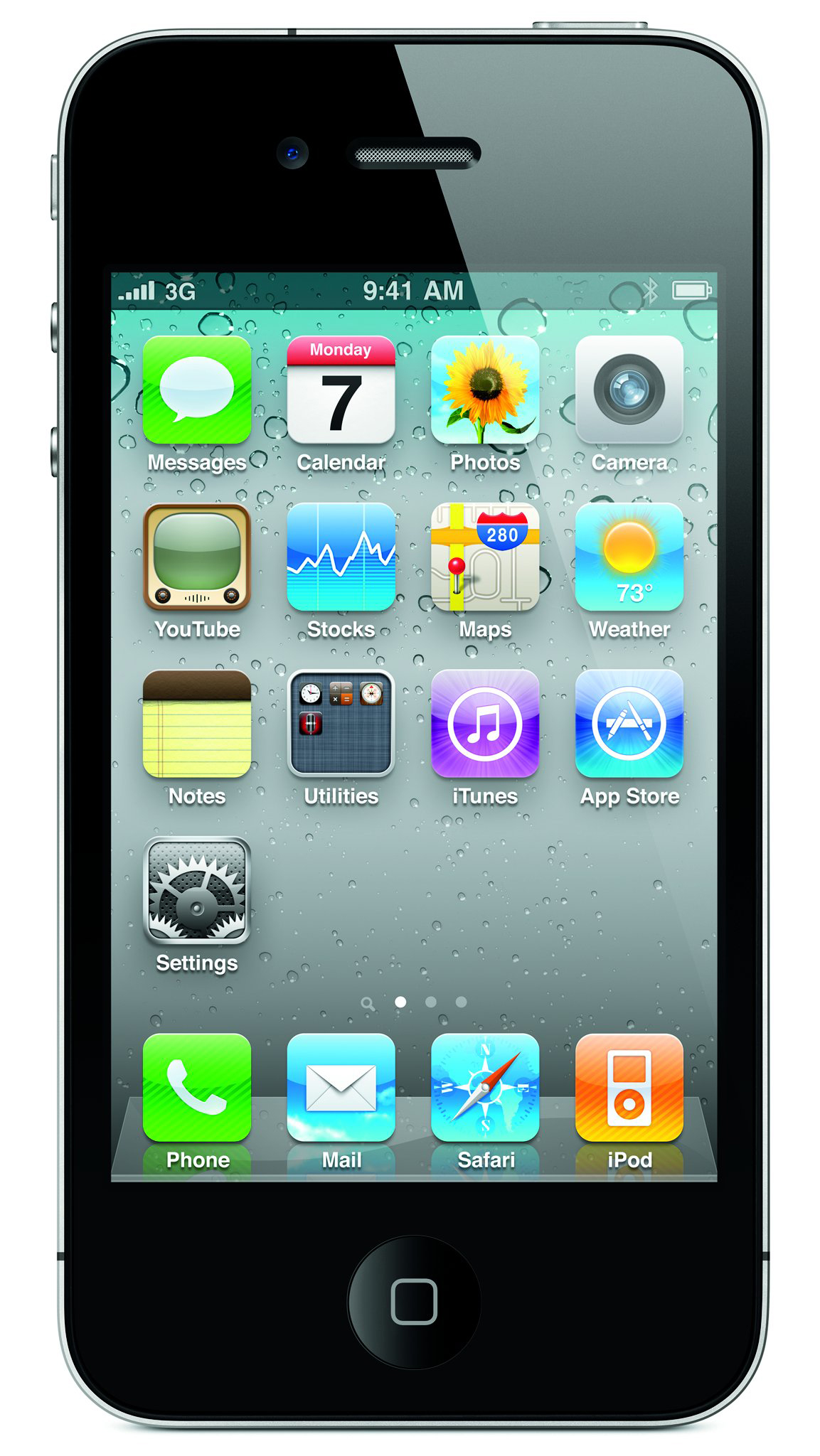
A black iPhone 4S

A black iPhone 4S – one of the iDevices which Apple have sold half a billion of (globally)

The announcement by Apple follows news that the winner of the company’s App Store Countdown to 25 Billion Apps – Chunli Fu from China – will be given a gift card worth $10,000 in free gifts as a reward for being the person to download the 25 billionth app from the Apple Store.

The app that marked the 25 billion download point was the game Where’s My Water (the free version). The app is a puzzle game that tests the physics skills and knowledge of the user, and can be downloaded onto virtually all of the main Apple iDevices, including the iPhone and iPad.

The game is one of the biggest selling and most popular apps available via the Apple Store – an in-house option for downloading Apple products which has proven to be revolutionary since the company started it.

In the period since the Apple Store was launched it has grown to the point where it now has 600,000 apps available for download, to users of the iPhone, iPad and iPod. These apps are available in more that 100 countries world wide, with nearly 200,000 of the apps being created by Apple itself. The apps available cover a wide range of subject areas, such as sports, games, news, business, travel and health and fitness. Just look at the Technology Bloggers ‘apps‘ category, to see reviews of some of the great apps on offer.

Apple’s Internet Software and Services senior vice president of Internet Software and Services, Eddy Cue, said:

“We’d like to thank our customers and developers for helping us achieve this historic milestone of 25 billion apps downloaded. When we launched the App Store less than four years ago, we never imagined that mobile apps would become the phenomenon that they have, or that developers would create such an incredible selection of apps for iOS users.”

Thanks to this and other user-friendly promotions, Apple remains the company to beat in more than one field!