Fossil vs Hybrid vs Electric

Last time, we explored “self-charging hybrids“.

Today I present an overview of the four most common ways of powering a car in 2020 – little disclaimer there since this almost certianly won’t be the case in 2030!

1) ICE – Internal combustion engine car

This car is 100% powered by fossil fuels, i.e. fuels up with petrol or diesel to burn in the “combustion chamber” (engine).
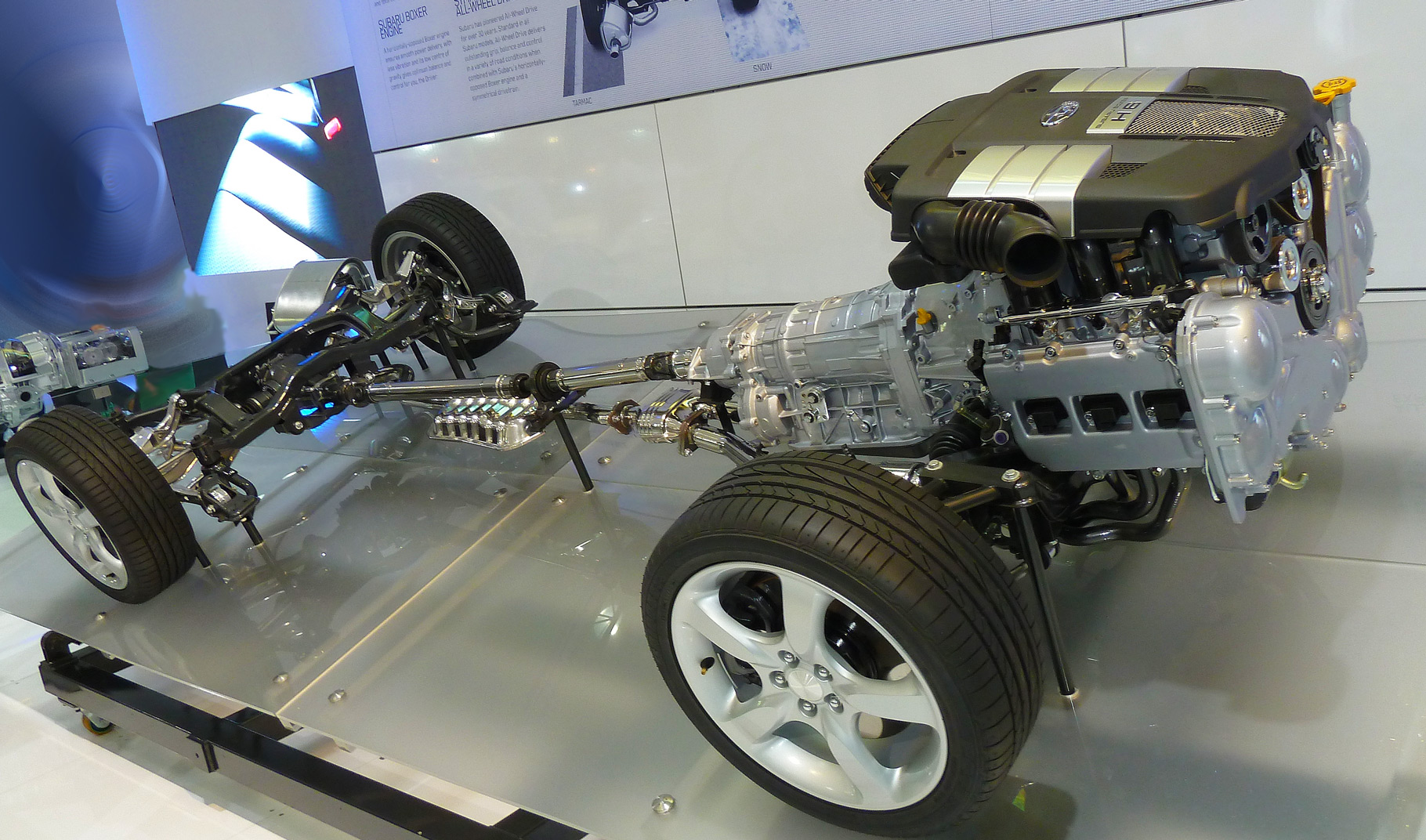
An ICE powertrain
The drivetrain for a petrol powered car

ICE cars get a around 30-55mpg (miles per gallon) in combined (urban and rural) driving conditions.

2) Mild hybrid – what Toyota and Lexus like to call “self-charging”

These are also 100% powered by fossil fuels.

When braking, some energy is recovered from the spinning wheels which feeds a small battery – similar to how a 12-volt battery is charged. The car can then drive a limited distance on this charge. Any physicist will tell you “self-charging” isn’t possible, the energy comes from somewhere – in this case it’s from the petrol that was burnt.

Mild hybrid cars get a around 35-60mpg on average.

3) PHEV– Plug-in hybrid electric vehicle ⛽🔋

These cars can drive a short distance (10-25 miles) on electricity alone. They can be plugged in to charge like an electric car or filled up with petrol and driven like an ICE car.

They have regenerative breaking to recover energy back into the battery. So once they use up their charge, they are effectivly a mild hybrid.

The disadvantage of PHEVs is they are less efficient than EVs in electric mode and less efficient than an ICE cars in petrol mode, since they are carrying the weight of an engine and fuel tank, as well as a motor and a battery.

Plug-in hybrids get a around 50-75mpg on average.

4) EV or BEV – Battery electric vehicle 🔋

These cars are 100% powered by electricity. That energy could come from the UK grid (currently still 30% fossil fuel powered) or it could come from renewables – such as charging solar panels on your roof.

An EV powertrain
The drivetrain for an electric car

Many electric cars have one-pedal driving, recovering energy back into the battery, right until the car stops – the most efficient way of slowing down.

Electric vehicles can achive over 175mpge (miles per gallon electric)!

Here’s another article from the series explaining why electric cars are so efficient. 🙂

A Joint Statement from the Editors, Christopher Roberts and Jonathan Hankins

After a long and fruitful informal collaboration, the Bassetti Foundation and Technology Bloggers have decided to formalize their relationship with a funding agreement.

From 1 November 2020 the Bassetti Foundation will cover the blog’s domain name and hosting costs. This is a fantastic agreement for all parties involved, as it guarantees funding for the continuation of the site while still leaving options open for other partnerships in-line with our values.

As regular readers will know, co-editor Jonny has been working with the Bassetti Foundation for many years, supporting their aim to promote responsibility in innovation. The blog and the Foundation released a joint pamphlet in 2012 based upon a series on the blog called Can We Improve The Health Of The Planet?, an early sign of what was to become an enduring relationship. As editors, we understand and share the goals and aims as well as the values that the Foundation stands for, and the mutual respect and trust offered in return is appreciated and valued.

As editors and authors, we try to highlight underappreciated positive projects/organizations in the world, and promote what we see as technological developments that aim to improve the lives of everybody across the planet.

Jonny started writing for the blog in July of 2011, 3 months after Christopher founded it, and while there has never been a policy on topic areas, the site has developed a view on technology and science and the environment thanks to our shared interests and similarity in positions.

Jonny was new to blogging and Christopher offered him the necessary experience, technological skills and platform to engage with a new audience on matters of ethics and some of the broader implications of technological development.  In return Jonny offered expertise in the rapidly developing field of Responsible Innovation.

Education and critical thinking are fundamental goals for both of us, we share a passion for communication, for enthusing people with the possibilities that the future holds while highlighting the social and ethical aspects of what this might all mean.

We have both learned a lot working together and editing the website over the last (almost) ten years. We benefit from the fact that we both have different expertise, both technical and philosophical. We have influenced each other’s thinking and paths, opened new opportunities and developmental possibilities.

The blog was originally conceived the as a community technology blog, and in its early years a range of posts from other writers were published, but recently the posts have all come from the editors ourselves. This reflects our coming to a shared position on technology and science, the blog follows a shared line and has its own identity, which seems to pay off. Readers seem to share our passions, and having had consistently healthy traffic figures since the blog started, we are sure we are having the desired impact.

We try to put all of this into practice, as we both believe that “we must be the change we wish to see in the world”.

We would like to thank the Bassetti Foundation, all of our readers and contributors and look forward to continuing our fruitful (and enjoyable) relationships with you all.

Editors Christopher Roberts and Jonathan Hankins.

Online Open Science Training Day from Berlin Science Week


As part of Berlin Science Week 2020 the ORION Open Science and the Max-Delbruck-Centre for Molecular Medicine project is organizing an online event, and I will be presenting.

The event takes place on Friday 4 November, and is free.

Schedule:

  • 14:00 – Open Science: A History 
  • 14.30 – Citizen Science
  • 15.00 – ‘SMOVE’: A Citizen Science Project
  • 15.30 – Open Data
  • 16.00 – Open Research Data Fears and Challenges
  • 16:30 – Open Content and Licensing
  • 17:00 – Open Hardware
  • 17:30 – Open Source
  • 18:00 – Open Access
  • 18:30 – Science Communication
  • 19:00 – End

I am presenting in a group on Open Source, so am studying hard!

There is a lot to learn here, much of it building upon the Open Science MOOC that I reviewed a couple of weeks ago.

Why not join us for part? register here now.

From the invitation:

Have you heard of Open Science and wondered what it is? Or is there an Open Science topic you wish you knew more about? Join us for an afternoon of bite-sized events at the online Open Science Café. For five hours, we are serving up a rolling series of twenty-minute micro-talks and activities about Open Science. Drop in and have a coffee while you get a quick snack of knowledge about how to make different aspects of research transparent, accessible, and usable for all. Or stay for the whole afternoon and become an Open Science expert.

The Open Science microlearnings will be served up on YouTube by the graduates of the train-the-trainer course from the ORION Open Science project, hosted at the Max-Delbrück-Center for Molecular Medicine.

Further details and registration are available here.