Mobile Phones and the Right to Search (and Privacy)

cnn.police

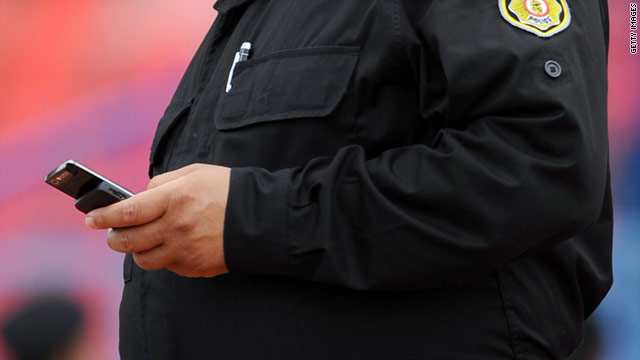
Earlier this year I wrote an article about whether the police had the right to search your laptop when you are passing immigration into the USA. The discussion has moved on however, and this week there is a Supreme Court case about whether the police have to right to search an individual’s mobile phone when they are stopped upon suspicion of having committed a crime.

Given the UK governments discussion about the stop and search powers currently in use, there are some serious questions to address here. We now carry our lives with us on our mobile devices. To call them phones is to do them an injustice, they are computers with the possibility of making phone calls. They have our medical, personal, business, banking and emotional data, and the question is whether this is public or private information if the police stop you.

Here in the USA the law has allowed police to search these devices without a warrant, although they could not search your computer in your house without a judge’s permission, and this seems to be an anomaly given changes in how we carry our lives with us.

The case before the court involves David Riley, who was pulled over for driving with expired license plates in 2009. When his car was impounded and inventoried, police found guns in the boot and decided to investigate further.

They looked into his phone and found evidence that he might be in a gang, they downloaded videos, contacts etc and some of this information was used to convict him.

Here in the US the case has been followed by journalist Nina Totenberg, and she has a fantastic account on her blog. You can either listen to her radio report or read a transcript of it. I have taken some of it below to give you an idea of how the debate is unfolding. The question is of whether a warrant should be required, but the following snippets give an idea of how wide the implications for the debate really are:

“It’s not just what can be looked at,” it’s the fact that information from cellphones can be downloaded and kept in “ever-growing databases.”

A person can be arrested “for anything,” including driving without a seat belt, and the police could search that person’s cellphone and “look at every single email” — including “very intimate communications” — as well as medical data, calendar and GPS information to learn everyplace the person has recently been.

People “choose” when they carry their cellphones with them — and thus they should have “no expectation of privacy” if they are arrested.

So some of the questions could be, when the police stop and search you, what do they have the right to look at? If you are then arrested should they need a warrant to search your mobile devices? Do you have the right to privately carry digital information?

Going Dutch, Heated Cycle Paths and Glowing Roads

glow roads

As regular readers may know, I am currently living my life straddled between two continents. I am based in Boston in the USA, but technically resident of Italy. To add to the confusion I am going to live in the Netherlands in June.

Why the Netherlands? I hear you all ask in unison. Bikes and technological advances in road safety might be one reason (although there are also others).

So first to bikes. I am a cyclist myself, I ride a 1973 Triumph 3 speed, it is a lovely machine. This winter has been a harsh one though, even for Boston standards, and the roads and pavements were covered in ice for long periods of time. As in many other places the city council sends trucks out to throw salt all over the place, which is not very good for the roads, cars, or water supply.

So to the Netherlands. They certainly know how to treat cyclists there. The Dutch city of Wageningen is experimenting with an innovative system that will help keep cyclists safe without the salt problem. A 50 metre stretch of cycle path has been replaced with concrete plates that are heated with stored thermal energy, preventing the path from becoming icy and slippery.

Yes, a heated cycle lane. It is fully recyclable, maintenance free and the system is carbon neutral. Here is the story in Dutch. Sorry but I can’t find anything in English so you will have to try a translation tool.

And while they are at it (the Dutch) they have developed a paint for their new heated paths that also stores energy during the day so that it can glow at night. There is no need for street lights in some areas if the sides of the roads light up so it could offer a great energy saving benefit. They are trialling it out on a short stretch of motorway at the moment, and have other ideas for its use. How about painting snowflakes into the road that only illuminate when the temperature drops and could create ice? Temperature sensitive paint is also undergoing testing, also a Dutch development. Check out this report on the BBC.

I very much look forward to my move to the Netherlands, spending the winter days on my bike, riding home on an ice free path through the woods, lit by painted strips down either side and all without the need for any electricity.

Vehicle Reversing cameras, a real safety improvement?

Congratulations on a beach

Congratulations Jonny! You have the honour of posting Technology Bloggers 500th article – which is also your 125th! It is also the first post of Technology Bloggers fourth year. (Image Credit)

A car reversing cameraImage Credit
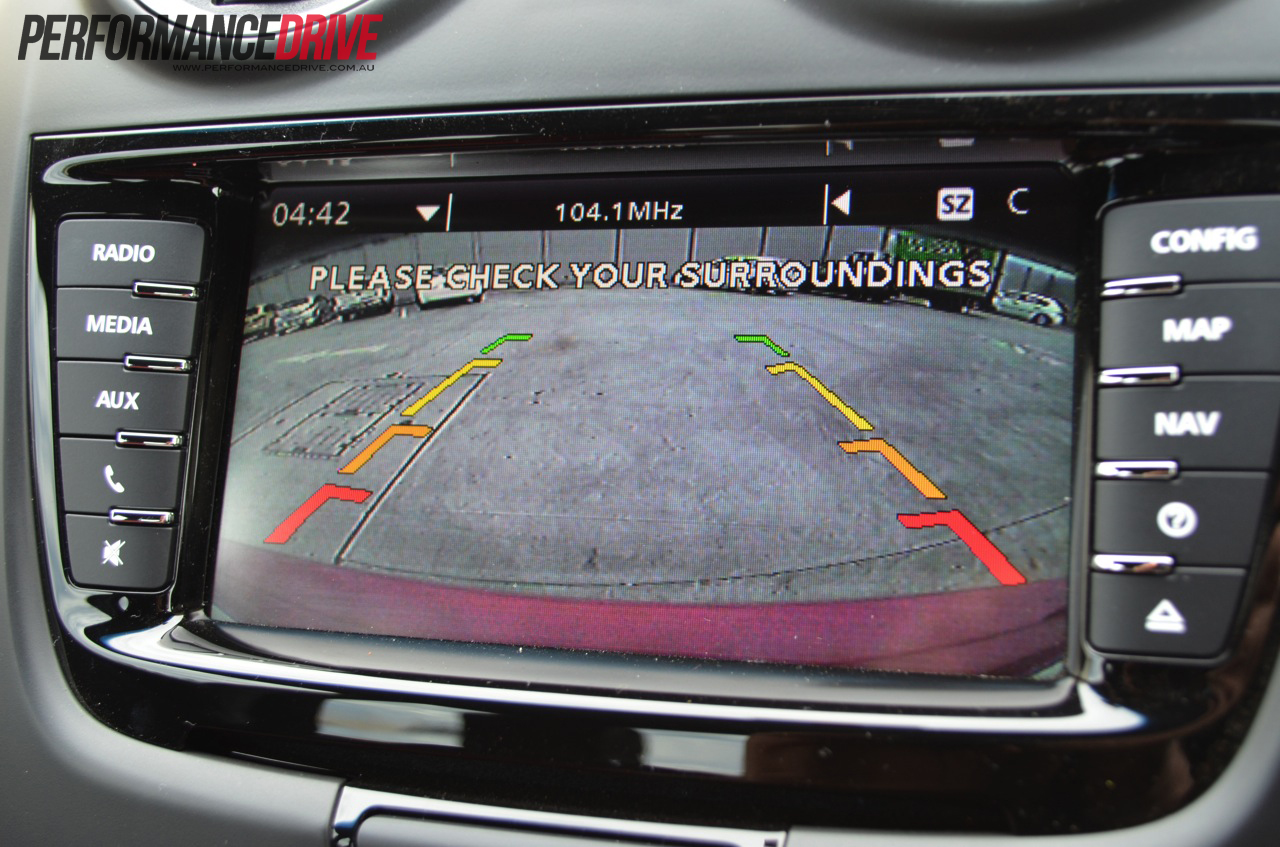
At the end of last month the National Highway Traffic Safety Administration (USA) finalized long-delayed rules that will require automakers to install back-up cameras in all vehicles by May 2018. This was a long fought battle, the auto makers not wanting to be forced to adapt such measures.

And we must consider the costs, possibly between $500 and $900 million a year, to be borne by the purchaser, manufacturer and of course the state. The legislation is aimed at avoiding death or injury caused when drivers reverse over their own children or the elderly (the main victims in such accidents).

All well and good I say, maybe the rules will save some lives, and we should bear in mind that they did take 10 years to pass. But how many lives will they save?

A Typical view in reverse

We have to bear in mind that auto-mobile manufacturers estimate that upwards of 60% of all cars would have had the technology as standard by 2018, we are talking about the remaining 40%, so an incremental improvement on an already rolling ball. But how many people are killed each year in the USA in accidents of this type?

According to this article, fittingly enough from the Detroit News, 60 to 70 lives a year would be saved if all the fleet had rear view cameras, but of course as stated above 60% would have already had the cameras, so the legislation itself would save about 15 lives a year and save 1300 injuries. But how many injuries and deaths are there a year in the USA?

On average in recently in the USA there have been about 35 000 deaths and more than 2 million injured in motor accidents. According to the US Census Bureau most of those were caused by speeding and alcohol.

Now I would question the rationale of spending the amounts of money required to install cameras in all cars when the number of lives saved is going to be so small. We are talking about between 15 and 25 million dollars per life, when there may be better ways of spending this money and saving more lives.

If we look at the legislation in context, I think there are other questions that need to be asked too. The US government Distracted Driving website offers another bewildering array of statistics and related information, with mobile technology use once more taking the blame for accidents. But we might imagine that it is illegal to text and drive, but it is not in all states. Several states still allow you to send a text message while driving. Texas for example bans texting for bus drivers and novice drivers, and in school areas for everyone, but I can drive and text in Texas perfectly legally. Arizona only bans bus drivers from texting, and in south Carolina there are no rules about using mobile technology while driving.

Although road deaths have come down dramatically in the USA, those related to driver distraction have gone up. This could be related to changes in how the statistics are reported, or might be related to increased usage of mobile devices, I cannot tell that from the data provided in the census.

A table is available here that summarizes the current situation.

As a quick comparison in the UK you can be charged with reckless driving if you are involved in any accident, and texting and hand held telephone use is against the law. If you are eating or drinking however this can also be taken into account, and there is research that suggests that eating and drinking while driving can dramatically slow down reaction time. Check out this article in the Telegraph newspaper.

So I want to ask a serious question about this US legislation that we could ask about a lot of other legislation. Do these new rules really make driving safer, or do they make us feel that we are safer, or do they just make us feel that we are doing the right thing?

I don’t honestly believe that this legislation will really make driving much safer for anyone, although this is of course my own opinion. I am not making light of accidents that involve reversing over children or old people, but there must be plenty of more efficient ways of cutting down road deaths than this (like taking action to deter mobile phone or texting use for example).